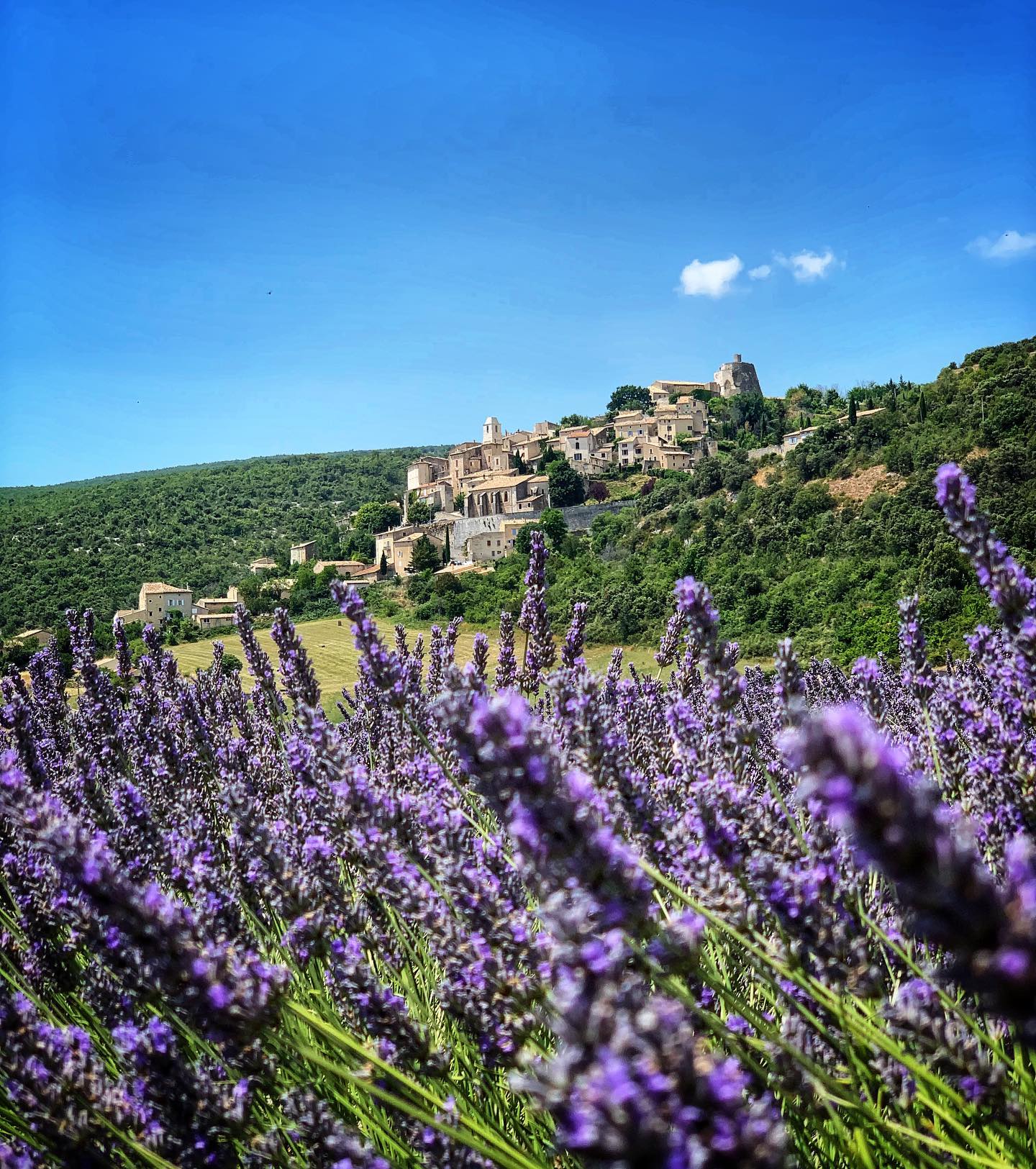
When I moved to the sun-soaked vineyards of Provence, I thought I had a pretty good handle on wine. I’d studied pairings, swirled plenty of glasses. But it wasn’t until I lived here, among vignerons who’ve grown grapes for generations, that I began to understand the beautiful, nuanced culture of wine in France.
Here at La Belugue, wine is more than a drink—it’s a story. It’s how we connect to the land, to the seasons, and to each other. So, whether you’re joining us for a cooking class or planning a tasting on your own, here’s my chef’s guide to choosing the right wine, why it matters, and how to navigate a French wine tasting with confidence and grace.
What Wine to Pick (and Why It Matters)
Start with the food.
In France, wine doesn’t dominate the table, it harmonizes with it. That’s the golden rule. When choosing a wine, think about the weight and flavor of the dish:
- Light dishes like grilled fish or Provençal vegetables love a crisp white or a local rosé.
- Creamy sauces or rich poultry? A white Burgundy or Viognier brings balance with acidity and stone fruit notes.
- Red meat like lamb or duck pairs beautifully with a Châteauneuf-du-Pape or a spicy Syrah from the Luberon or Rhône Valley.
- Goat cheese (a local favorite) with Sancerre is a match made in heaven.
Trust regional pairings.
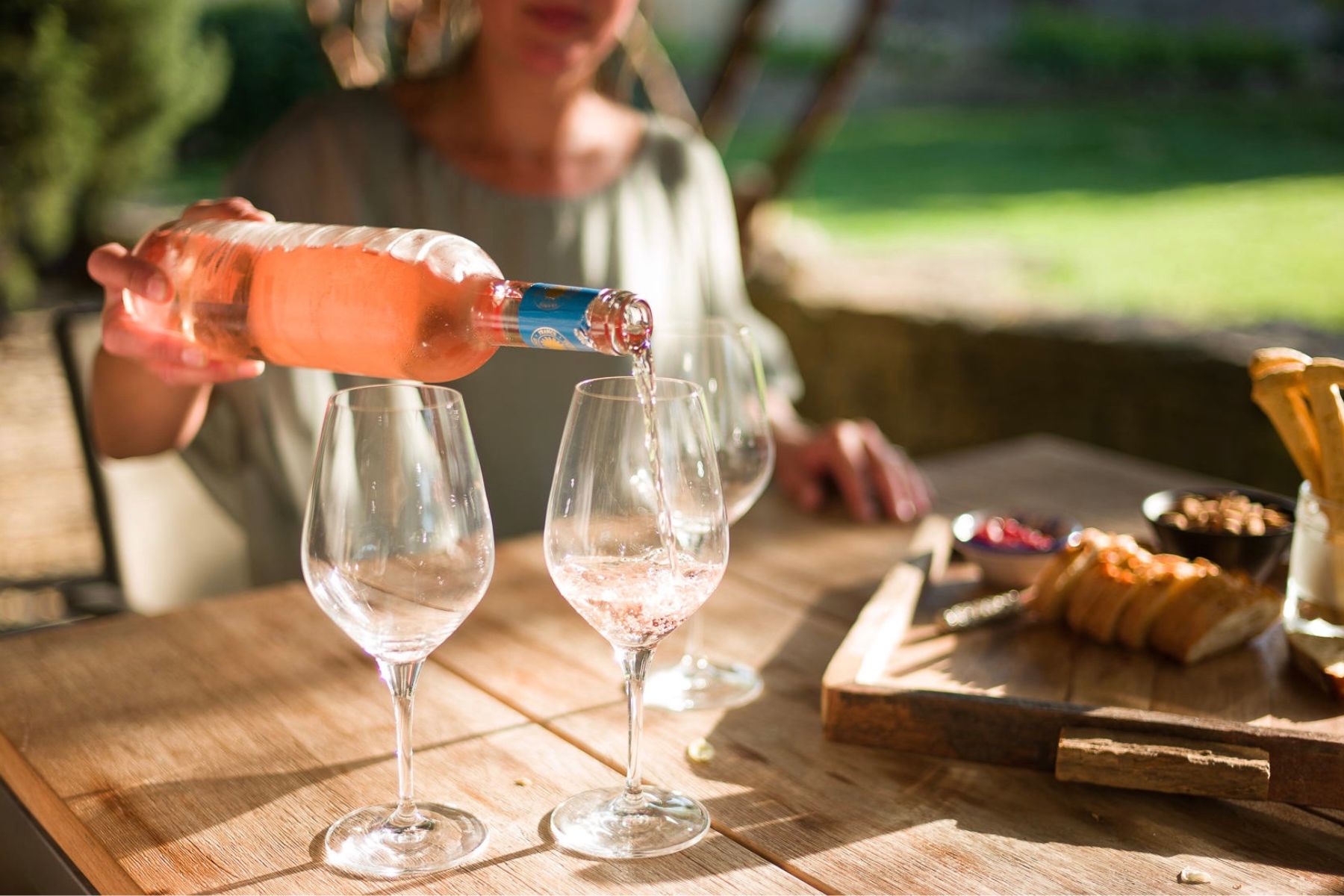
There’s a reason coq au vin goes with Burgundy, foie gras goes with Sauternes, bouillabaisse goes with Bandol blanc, and the seasonal cuisine of Provence goes well with Provencal Rose for our hot summer days and fresh cuisine. Wines evolved alongside the regional cuisines they accompany. When in doubt, drink local.
Don’t overthink price.
Some of the most delightful wines in France are under €15. It’s not about finding the most expensive bottle, but the one that tells the story of the meal
Tasting Etiquette in France
Wine tasting here is relaxed but respectful. It’s not about showing off your knowledge—it’s about showing up with curiosity. Here are a few tips:
1. Don’t wear perfume
Seriously, your Chanel No. 5 might ruin a delicate nose of fig and garrigue. Let the wine speak
2. Ask questions but listen more
Winemakers are passionate. Ask about the terroir, the harvest, or what food they serve it with. You’ll learn so much more than just grape varietals.
3. Don’t chug. Sip
Wine tastings are for savoring. No need to drink the whole pour—it’s perfectly acceptable to spit or pour out, especially if you’re driving
4. Compliment the wine, not the alcohol content
Saying “This is strong!” isn’t exactly praise. Instead, talk about flavor: “This has beautiful structure,” or “I love the minerality”
5. Never swirl sparkling wine
It’s a faux pas in France. Swirling is for still wines only—let your bubbly breathe on its own and look at the bottom of the glass for sparkles.
Final Thoughts from the Table
One of the things I love most about wine in France is that it isn’t pretentious. It’s intimate. It’s part of the meal, the moment, the memory. At La Belugue, when we sit down after a cooking class to share what we’ve made, we pour a wine that celebrates what’s on the plate and the people around it.
So next time you open a bottle, don’t stress about getting it “right.” Think of the flavors you want to elevate, choose something local when you can, and toast to the joy of sharing good food and wine together.
Sante
With warmth from Provence,
Chef Kelly